
 RU
RU  EN
EN  FR
FR  ES
ES 

 Экспресс


 Получить цену
A стена из пустотелых блоков использует бетонные кладочные блоки с внутренними пустотами для возведения перегородки, ограждения или несущей стены. Эксплуатационные характеристики стены зависят от толщины блока, контроля раствора, размещения арматуры и подготовки основания.
Выбор неверной толщины или отказ от армирования там, где этого требует норматив, может нарушить работу конструкции ещё до того, как стена достигнет полной высоты. Ранние решения по возведению стены из пустотелых блоков напрямую влияют на затраты труда, объём материалов и долгосрочные расходы на обслуживание.
Грамотно спланированная стена сочетает правильный размер блока с подходящей маркой раствора и схемой армирования, соответствующей конструктивному заданию. Любая ошибка в этих решениях ведёт к дополнительным затратам на этапе исправления. В разделах ниже каждый пункт решений рассматривается по порядку.
Свежая кладка подвергалась быстрому высыханию
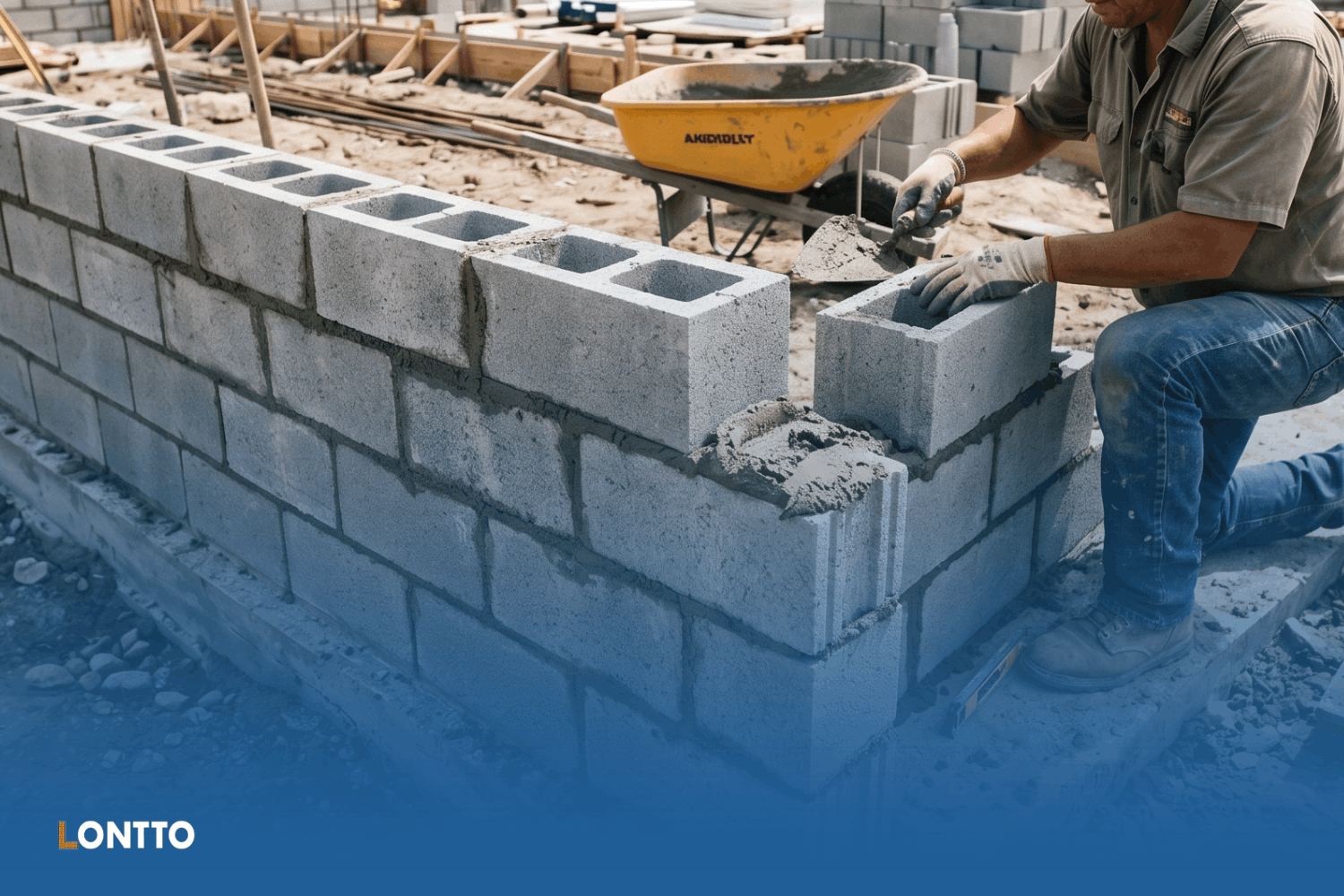
Пустотелый блок Толщина стены зависит от назначения, требований к нагрузке и местных строительных норм. Во многих регионах в проектах стен из пустотелых бетонных блоков используют блоки 100 мм для легких внутренних перегородок и блоки 150 мм для внутренних ненесущих стен.
Для наружных или несущих конструкций обычно требуются блоки толщиной 200 мм и более. Инженеры могут потребовать армированные пустоты или заполненные раствором участки, когда стена несёт нагрузку или воспринимает давление грунта. Толщина блока — лишь один из факторов теплотехнических характеристик.
Геометрия пустот, заполнение их раствором и дополнительная изоляция влияют на теплопередачу не меньше, чем сама толщина. В проектах, где энергоэффективность входит в задание, решения по конструкции стены имеют бюджетные последствия помимо чисто конструктивных требований.
| Приложение | Обычная толщина | Обычное применение | Рекомендации по армированию | Примечания |
|---|---|---|---|---|
| Внутренние перегородки | 100 мм | Разделение помещений и стены с малой нагрузкой | Обычно без армирования, если иное не требуется нормами | Лучший вариант для экономии пространства |
| Внутренние ненесущие стены | 150 мм | Более массивные внутренние разделительные стены | Добавьте армирование в местах проёмов или при риске подвижек | Лучшая жёсткость, чем у 100 мм |
| Наружные или несущие стены | 200 мм | Наружные стены и несущая кладка | Часто требуется арматура и заливка раствором | Стандартный выбор для прочности |
| Подпорные стены | 200–300 мм и более | Подпорные или высоконагруженные конструкции | Требуется армирование по проекту инженера | Важны фундамент и водоотвод |
Подрядчики и производители блоков, которым нужна стабильная доступность типоразмеров блоков, могут изготавливать блоки на месте. A Вибропресс для производства пустотелых блоков Lontto позволяет производственным командам напрямую контролировать размеры блоков и объём выпуска для любого проекта стен из пустотелых блоков.
Какой толщины должна быть стена из пустотелых блоков?
Материалы для выдержки Прежде чем начать работу, позвольте бригадам точно рассчитать стоимость проекта и избежать задержек в процессе строительства. При расчёте количества блоков следует учитывать отходы на резку, проёмы и бой. Большинство сметчиков добавляют 5–10 % к расчётному количеству блоков для стандартной стены. Заказ недостаточного количества блоков в проекте строительства из шлакоблоков означает ожидание поставки и задержки, которые обходятся дороже по трудозатратам, чем сами блоки.
Для стандартного проекта стены из пустотелых блоков требуются следующие материалы:
- Наверх: Строительство стен из пустотелых блоков: толщина, стоимость и пошаговое руководство (2026)
- Бетонные пустотелые блоки
- Кладочный раствор
- Затирка
- Арматурные стержни
На площадке необходимы следующие инструменты и материалы:
- Чистая вода для затворения и выдержки
- Порядовочные блоки и причальный шнур
- Строительный уровень
- Мастерок и расшивка
- Рулетка и угольник
Толщина шва раствора напрямую влияет на прочность сцепления, ровность рядов и расход материала. Во многих проектах кладки целевой размер шва составляет около 10 мм, хотя местные нормы и спецификации площадки определяют окончательный размер шва. Слишком жидкий или слишком сухой раствор нарушает целостность сцепления и затрудняет поддержание одинаковой высоты стены по рядам.
Консистенция раствора для заполнения швов важна отдельно от консистенции кладочного раствора. Раствор для заполнения пустот должен свободно затекать в полость, не расслаиваясь. Использование неправильного соотношения воды и смеси в растворе снижает вклад в несущую способность заполненные пустоты.
Что нужно для возведения стены из пустотелых блоков
Возведение стены из пустотелых блоков начинается с основания. Ровная и прочная стена зависит от точной разметки до укладки первого блока. Пропуск проверок разметки у основания приводит к тому, что ошибки в выравнивании передаются в каждый последующий ряд.
Каждый этап последовательности опирается на предыдущий. Ошибки на этапах устройства основания и разметки исправить дешевле всего. Проблемы на этапах армирования и заливки раствора могут потребовать частичного демонтажа для исправления.
Часто задаваемые вопросы о строительстве стен из пустотелых блоков
Основание должно выдерживать нагрузку стены и соответствовать местным строительным нормам. Наружные стены, несущие стены и подпорные стены из шлакоблоков требуют более прочной конструкции основания, чем лёгкие перегородки. Недостаточные по размеру основания вызывают осадочные трещины, исправление которых после строительства обходится дорого. Ширина основания должна превышать ширину блока и, где применимо, залегать ниже глубины промерзания.
Нужно производить пустотелые блоки в промышленных масштабах?
Наши вибропрессы для пустотелых блоков созданы для коммерческого и промышленного производства. Получите консультацию эксперта и индивидуальный расчёт цены — мы отвечаем в течение 24 часов.
1. Подготовьте основание и фундамент
Рабочие укладывают первый ряд без раствора, чтобы проверить длину стены, положение проёмов и места резаных блоков. Шнур-причалка и проверка углов не дают ошибкам выравнивания распространиться на всю высоту стены. Ошибку разметки, обнаруженную на этом этапе, исправляют за минуты. Та же ошибка, обнаруженная в 10-м ряду, требует значительной переделки.
2. Выполните разметку первого ряда
Рабочие расстилают раствор по основанию перед укладкой первого блока. Контролируемая толщина раствора обеспечивает ровность рядов и одинаковую высоту стены по всей кладке в процессе возведения. Неравномерные постельные швы накапливаются по рядам и затрудняют исправление вертикали по мере роста стены. Слегка бороздят растворную постель, чтобы улучшить заполнение под ложковыми и тычковыми гранями блока.
3. Нанесите раствор на горизонтальный шов
Каждый блок должен стоять под прямым углом, ровно и в одну линию со стеной. Небольшие поправки проще всего вносить, пока раствор не схватился. Перестановка блока после схватывания раствора рискует нарушить сцепление и снижает качество выравнивания в верхних рядах. Проверяйте вертикаль, горизонталь и выравнивание каждого третьего блока, чтобы вовремя заметить отклонение.
4. Уложите и выровняйте каждый блок
Несущие стены, подпорные стены из блоков и зоны высоких напряжений часто требуют вертикальной арматуры в отдельных пустотах. Заливка раствором передаёт нагрузку через армированные пустоты шлакоблока, повышая общую устойчивость стены. Оставленные незалитыми армированные пустоты снижают несущую способность, на которую рассчитан проект. Устанавливайте арматуру до заливки и убедитесь, что она достигает полной проектной глубины перед подачей раствора.
5. Добавьте армирование и заполните раствором там, где требуется
Бригады смещают вертикальные швы, создавая перевязку кладки по бетонной стене. Постоянное перекрытие улучшает работу стены под нагрузкой и уменьшает слабые линии швов, по которым могут распространяться трещины. Перевязка и выравнивание швов — две распространённые причины дефектов стен на строительных проектах. Стандартная однорядная перевязка смещает каждый ряд на половину длины блока.
6. Укладывайте последующие ряды с перевязкой
Кладка набирает прочность за счёт контролируемого твердения, а не просто высыхания. Свежую кладку защищают от быстрого высыхания, сильного дождя и механических воздействий в начальный период твердения. Отделка стены штукатуркой, облицовочным слоем или гидроизоляционным покрытием доводит поверхность до проектных требований. Соблюдайте спецификацию производителя материала и требования местных норм к минимальным срокам выдержки перед нанесением любого покрытия.
Как построить стену из пустотелых блоков: пошаговая инструкция
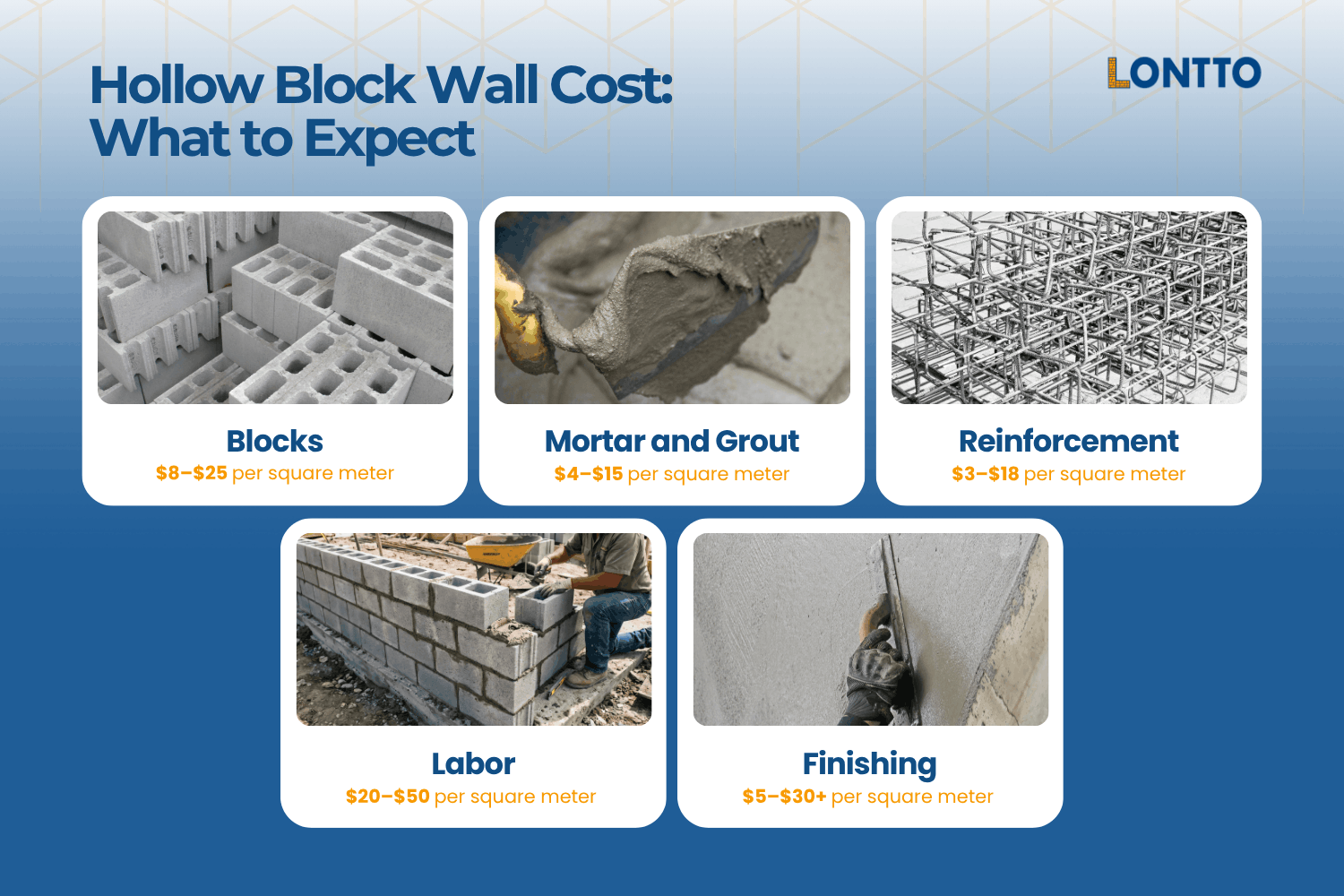
В качестве ориентира для многих рынков стоимость стены из пустотелых блоков может составлять от 35 до 90 долларов США за квадратный метр с учётом основных материалов и работ. Фактические цены сильно различаются в зависимости от страны, региона и типа проекта.
К факторам, повышающим стоимость, относятся вертикальное армирование, заполнение раствором, гидроизоляция и специальные работы по устройству фундамента. Понимание каждой статьи затрат позволяет руководителям проектов проверять сметы и выявлять, откуда возникает разброс между коммерческими предложениями.
| Статья затрат | Типовой диапазон | Что влияет на цену |
|---|---|---|
| Блоки | 8–25 $ за квадратный метр | Размер блока, класс прочности, местные поставки и объём заказа |
| Раствор и затирка | 4–15 $ за квадратный метр | Толщина шва, заполнение пустот раствором и состав смеси |
| Армирование | 3–18 $ за квадратный метр | Шаг арматуры, высота стены и конструктивные требования |
| Трудозатраты | 20–50 $ за квадратный метр | Квалификация бригады, доступ к стене и региональные ставки оплаты труда |
| Отделка | 5–30+ $ за квадратный метр | Штукатурка, гидроизоляция, краска или облицовка |
7. Обеспечьте уход за кладкой и выполните отделку стены
Стоимость блочной стены в США обычно составляет около 3 долларов за блок при стандартной поставке и 4 доллара за блок для изделий среднего класса. Армированные или заполненные раствором стены обходятся дороже базовых перегородок. Устройство стены из шлакоблоков на подпорных стенах по проекту инженера дополнительно увеличивает среднюю стоимость.
Цена за шлакоблок может достигать 5 долларов и более за штуку для специальных или высокопрочных марок. Объём заказа и региональные условия поставки существенно влияют на цены на шлакоблоки. Производство шлакоблоков непосредственно на площадке снижает затраты на материалы и обеспечивает контроль над наличием блоков 8x8x16 без зависимости от сторонних поставщиков.
Цены на блоки и оплата труда по регионам
Стоимость стены из бетонных блоков выигрывает больше всего от контроля поставок в масштабе. Вибропресс для производства блоков превращает производство в фиксированную статью затрат, а не в переменные расходы на поставку. Затраты на возведение стены снижаются, когда проект контролирует выпуск блоков и может согласовать производство с графиком строительства.
Контроль поставок и масштаб
Стоимость профессионального труда каменщиков составляет наибольшую долю общих затрат по большинству проектов блочных стен. При выполнении работ своими руками опытные застройщики могут значительно снизить затраты на оплату труда.
Экономия зависит от доступа к нужным инструментам и материалам, а также от достаточного строительного опыта для поддержания стабильного качества кладки. Во многих юрисдикциях для конструктивных и подпорных стен требуются лицензированные подрядчики или инспекции, поэтому перед началом работ уточните местные правила получения разрешений.
Стоимость стены из пустотелых блоков: чего ожидать
Пустотелые блоки снижают вес стены и позволяют размещать армирование в пустотах. Полнотелые блоки обеспечивают большую массу и подходят для случаев, когда пустоты не дают конструктивного преимущества. Правильный выбор зависит от требований к нагрузке, высоты стены, типа стены и доступного на площадке строительного опыта.
| Фактор | Стена из пустотелых блоков | Стена из полнотелых блоков |
|---|---|---|
| Вес | Меньшая постоянная нагрузка | Более высокая постоянная нагрузка |
| Стоимость | Часто ниже для больших площадей стен | Часто выше из-за объёма материала |
| Изоляция | Лучшая тепло- и звукоизоляция благодаря пустотам | Больше массы, меньше эффекта от пустот |
| Армирование | Арматура и раствор могут заполнять отдельные пустоты | Детали армирования зависят от системы |
| Несущее применение | Прочна при правильном расчёте и армировании | Прочна там, где плотная кладка соответствует нагрузке |
| Скорость строительства | Более крупные блоки могут сократить время кладки | Зависит от размера блока и организации работы бригады |
Монолитные бетонные стены предлагают третий вариант, когда непрерывная укладка соответствует конструктивной задаче. Стоимость бетонных стен при монолитном исполнении часто превышает стоимость подпорных стен из блоков при сопоставимой высоте.
Опалубка, логистика и управление твердением увеличивают трудозатраты. Подпорные стены из шлакоблоков показывают конкурентные результаты при правильном армировании и дренаже. Подпорные стены из блоков являются распространённой альтернативой монолитным системам во многих случаях устройства подпорных сооружений.
На многих рынках в жилых и малоэтажных коммерческих проектах пустотелые блоки предпочитают полнотелым из-за меньшего веса и стоимости. Возможность прокладки коммуникаций через пустоты даёт практическое преимущество в большинстве построек. Выбор полнотелого блока обычно обусловлен конкретными конструктивными или эстетическими требованиями, а не общим сравнением стоимости.
Стена из пустотелых блоков или из полнотелых блоков
Большинство разрушений стен из пустотелых блоков начинается с ошибок в разметке, растворе или армировании ещё до того, как стена достигнет полной высоты. Исправление конструктивной проблемы или нарушения геометрии в процессе кладки обходится значительно дороже, чем их предотвращение на этапе подготовки. Проблемы, которые на пятом ряду кажутся косметическими, часто указывают на более серьёзное нарушение геометрии или качества раствора, которое усиливается с высотой.
Следующие ошибки являются причиной большинства переделок на площадках строительства блочных стен:
- Щётка
- Неровное основание до укладки первого блока
- Отсутствие проверки раскладки «насухо» перед укладкой первого ряда
- Слишком жидкий или слишком сухой раствор на этапе замешивания
- Слабый контроль толщины швов по рядам
- Отсутствие армирования там, где этого требуют конструктивные условия
- Высота стены наращивалась до того, как нижние ряды набрали прочность
- Высота стены наращивалась до того, как нижние ряды набрали прочность
Каждый пункт из списка можно предотвратить проверкой фундамента перед бетонированием, пробной сухой раскладкой и проверкой консистенции раствора до начала работ.
Узнайте цену машины сегодня
Подрядчики, застройщики и поставщики блоков, которым нужна стабильная поставка, могут использовать пустотелая блочная машина чтобы наладить производство на месте.
Владение станком устраняет зависимость от сторонних поставок и позволяет согласовать выпуск с графиком строительства дома или производства шлакоблоков без ожидания поставок. Декоративные шлакоблоки, стандартные пустотелые блоки и специальные размеры — всё это можно выпускать на подходящем станке.
Инвестиции в вибропресс для производства блоков превращают регулярные расходы на поставку в фиксированные капитальные затраты. Производства, выпускающие собственные блоки, получают гибкость в планировании и лучший контроль маржи по каждому проекту стены из пустотелых блоков.
Запросить цену у Lontto, чтобы подобрать вибропресс для производства пустотелых блоков для вашего следующего проекта
Распространённые ошибки, которых следует избегать
Своими руками или профессиональные рабочие
Правильно построенные стены из пустотелых блоков часто служат 50 лет и более. Долговечность зависит от надёжной гидроизоляции, достаточного дренажа у основания и базового обслуживания для заделки трещин до того, как влага проникнет в конструкцию стены. Стены в условиях открытого воздействия или высокой влажности выигрывают от нанесения облицовочного слоя или гидроизоляционного покрытия на этапе отделки.
Выдерживают ли стены из пустотелых блоков землетрясения и сильный ветер?
Армированные пустотелые блочные стены с продуманной конструкцией хорошо выдерживают сейсмические и ветровые нагрузки. Их работа зависит от соблюдения местных строительных норм, правильного подбора арматуры и заполнения пустот бетоном, а также от расчёта фундамента на сопротивление боковым смещениям. Неармированная перегородка и полноценная несущая стена — это не одно и то же. Конструкция должна соответствовать условиям нагружения.
Устойчивы ли стены из пустотелых блоков к термитам и вредителям?
Армированные пустотелые блочные стены с продуманной конструкцией хорошо выдерживают сейсмические и ветровые нагрузки. Их работа зависит от соблюдения местных строительных норм, правильного подбора арматуры и заполнения пустот бетоном, а также от расчёта фундамента на сопротивление боковым смещениям. Неармированная перегородка и полноценная несущая стена — это не одно и то же. Конструкция должна соответствовать условиям нагружения.
Можно ли вешать тяжёлые предметы на стены из пустотелых блоков?
Бетонные пустотелые блоки не служат пищей и не дают материала для гнёзд термитам, поэтому они лучше противостоят заражению, чем деревянный каркас. Однако щели в швах, местах прохода коммуникаций и у основания стены всё равно нужно герметизировать, чтобы преградить путь вредителям. Разрушенный шов или незаполненная пустота создают лазейку, которая сводит на нет природную устойчивость блока.
Снижают ли стены из пустотелых блоков шум между комнатами?
Да, но важно, куда именно крепить. По возможности анкеритесь в армированные или заполненные бетоном пустоты и используйте анкеры для кладки, рассчитанные на нагрузку от крепления. Крепление в неармированную пустоту стандартным дюбелем значительно снижает несущую способность. Для тяжёлых нагрузок перед сверлением уточните расположение анкеров по конструкторским чертежам стены.
Вернуться к началу: Строительство стены из пустотелых блоков: толщина, стоимость и пошаговое руководство по возведению (2026)

Обращайтесь к нашим Эксперт по кирпичным машинам
Свяжитесь с нашей приятной командой сегодня, чтобы получить оценку стоимости машины для производства блоков.

Меня зовут Чао Чжан, я работаю в сфере производства кирпича уже более 10 лет. У меня есть глубокое понимание и исследования различных моделей машин для производства блоков, особенно автоматических машин для производства кирпича, машин для производства бетонных блоков, машин для производства блоков из прессованной земли, машин для производства глиняного кирпича, машин для производства цементного кирпича. У меня есть особое понимание этой отрасли. Я могу помочь своим клиентам выбрать подходящую машину для производства кирпича и помочь им в проектировании и строительстве завода по производству кирпича. Если вы хотите узнать все о машинах для производства кирпича, пожалуйста, свяжитесь со мной. Я буду рад помочь вам.
 Цена котировки
 Позвоните нам